
Dermaplaning 101: Everything You Need to Know About This Facial Treatment
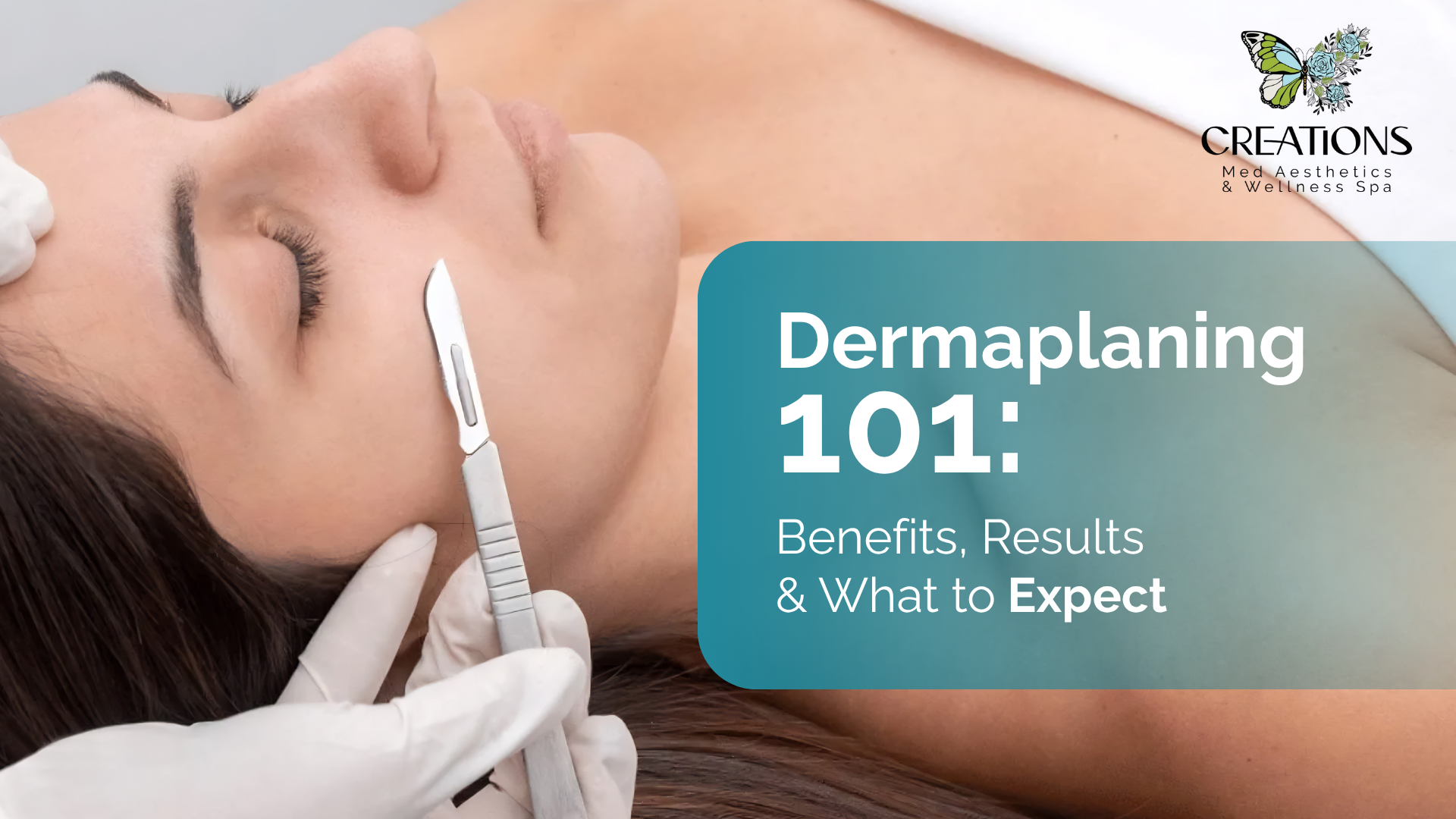
There’s a treatment that takes about 30 minutes, produces no downtime, delivers a same-day glow, and removes both dead skin and peach fuzz in a single pass. Sounds straightforward enough. And yet more questions, myths, and hesitation surround dermaplaning than almost any other facial treatment.
Will the hair grow back thicker? Is a surgical scalpel on the face actually safe? Does it work on darker skin tones? Is it just fancy shaving? The questions are legitimate. And they deserve real answers, not the kind buried in fine print or glossed over in a 15-second reel.
This guide covers what dermaplaning is, how it works, who it helps, who should pause before booking, and what a professional treatment looks like at Creations Med Aesthetics & Wellness Spa in Lutz, FL. By the end, the decision becomes easy.
At Creations, dermaplaning isn’t just a standalone service; it’s a precision tool in a larger skin health plan, performed by licensed aestheticians who know exactly how to use it.
What Is Dermaplaning and How Does It Actually Work?
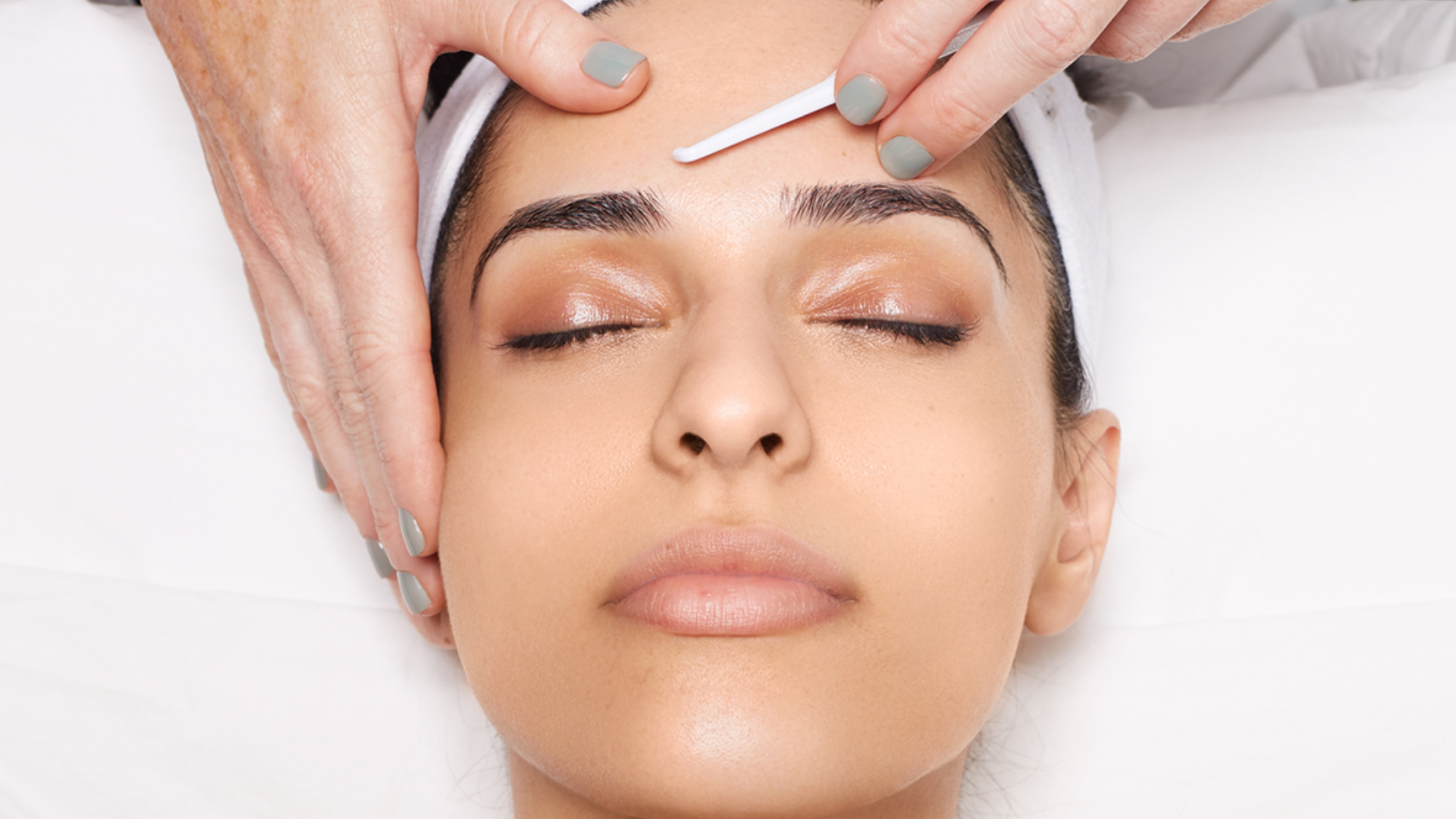
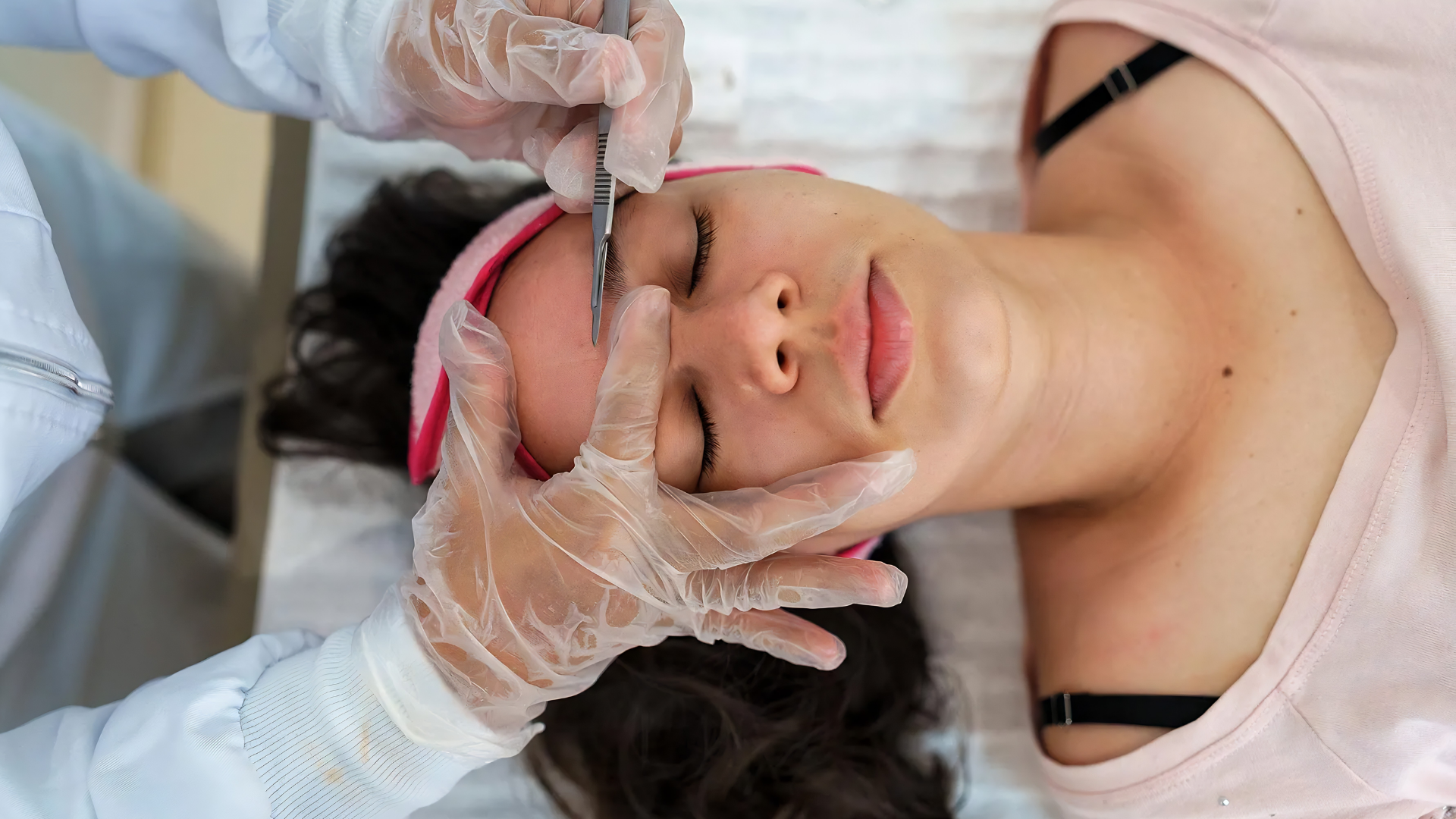
Dermaplaning is a professional exfoliation treatment that uses a sterile 10-gauge surgical scalpel held at a precise 45-degree angle to gently scrape the surface of the skin. That single controlled motion removes two things simultaneously: the outermost layer of dead skin cells (the stratum corneum) and the fine vellus hair commonly known as “peach fuzz” that sits on top of it.
The result is immediate. Skin looks smoother, brighter, and more even-toned right after treatment. Skincare products penetrate more effectively without a barrier of dead skin and fine hair blocking absorption. Makeup sits flush against the skin instead of catching on texture.
The entire process is non-invasive. No chemicals, no heat, no needles. A trained aesthetician uses manual technique and clinical-grade tools, and the difference between a professional dermaplaning treatment and at-home face shaving comes down to precision, blade quality, and training. More on that shortly.
Dermaplaning works because it removes what’s sitting on top of the skin and preventing everything else, products, treatments, and light, from reaching it properly.
Dermaplaning Benefits: What Changes After Treatment
The benefits of dermaplaning stack quickly, and most clients notice several of them within the first 24 hours. Here’s what actually changes:
- Instant radiance: Dead skin cells trap light and dull the complexion. Removing them reveals the fresher, more reflective skin underneath immediately.
- Peach fuzz, or vellus hair, catches foundation and powder, making makeup look uneven. Dermaplaning eliminates it completely, giving a poreless, smooth base
- Dramatically better product absorption studies show skincare penetration improves by up to 70% after removing the dead cell layer; serums, moisturizers, and treatments all work harder
- Smoother makeup application: Clients consistently report that foundation, concealer, and setting powder apply more evenly and last longer after dermaplaning
- Improved skin texture over time: Regular sessions accelerate cell turnover, gradually improving rough texture, fine lines, and dullness with cumulative results
- Supports other treatments: Dermaplaning before a chemical peel or professional facial enhances penetration and amplifies outcomes.
These dermaplaning benefits build on each other. One session delivers visible change. A consistent schedule delivers transformation.
Does Dermaplaning Make Hair Grow Back Thicker or Darker?
This is the question that stops more people from booking than any other, and the answer is a firm, science-backed no.
Does dermaplaning make hair grow back thicker? No. Vellus hair, the fine, soft, colorless peach fuzz on the face, has no ability to change its structure based on how it’s removed. Hair thickness, color, and density are determined by the follicle beneath the skin’s surface. Dermaplaning only touches the surface. It doesn’t alter the follicle, doesn’t stimulate growth, and doesn’t change the hair’s pigmentation or texture.
The perception of thicker regrowth comes from the blunt edge left by a razor cut, the same short, blunt tip that feels stubbly when leg or arm hair grows back after shaving. But vellus facial hair naturally tapers to a fine point. After dermaplaning, as it grows back, it returns to that same soft, fine tip. The hair looks and feels identical to what was there before treatment.
This myth has kept a lot of people from a genuinely effective treatment. The biology simply doesn’t support it.
Hair texture is determined at the follicle, not at the surface. Dermaplaning never reaches the follicle. The hair that grows back is the same hair that was always there.
Dermaplaning vs. Shaving Your Face: Not the Same Thing
The most common misconception about dermaplaning is that it’s just an expensive version of shaving. It isn’t, and the difference matters more than most people realize.
| Factor | Shaving at Home | Professional Dermaplaning |
| Tool used | Standard razor | Sterile 10-gauge surgical scalpel |
| Angle & technique | Varied inconsistent pressure | Precise 45° angle by trained aesthetician |
| Skin exfoliation | Surface hair only | Removes hair AND dead skin cell layer |
| Product absorption after | Minimal improvement | Up to 70% increase in absorption |
| Risk of nicks/irritation | Higher, especially near jaw and lips | Very low in professional hands |
| Customization | None | Adjusted to skin type, sensitivity, concern |
| Can pair with facials? | Not safely | Yes, frequently combined at Creations |
The distinction between dermaplaning vs. shaving the face comes down to this: shaving removes hair. Dermaplaning removes hair and a full layer of dead skin simultaneously, using a clinical blade at a calibrated angle, adjusted to the contours of the face and the client’s specific skin condition. The exfoliation component is what delivers the skin benefits. A standard razor doesn’t replicate that. The American Academy of Dermatology’s guide to safe exfoliation reinforces why professional technique and tools matter when removing more than just surface hair.
Dermaplaning Pros and Cons: The Full Picture
Every treatment has trade-offs worth understanding before booking. Here’s the honest breakdown:
| Pros of Dermaplaning | Cons / Considerations |
| Instant results, visible glow same day | Not suitable for active acne or inflamed skin |
| Removes vellus hair and dead skin simultaneously | Results last 3–4 weeks; regular sessions needed |
| Zero downtime back to life immediately | Avoid direct sun exposure for 24–48 hours after |
| Dramatically improves makeup application | Rosacea or very sensitive skin needs evaluation first |
| Boosts product absorption up to 70% | At-home blades carry higher risk than professional tools |
| Pairs beautifully with chemical peels and facials | Mild redness or sensitivity possible same day |
| Safe for all skin tones when performed correctly | Temporary, not a permanent hair removal solution |
The pros and cons of dermaplaning point to the same conclusion: for the right candidate, the benefits far outweigh the considerations. For the wrong candidate, active acne, significant rosacea, or inflamed skin is a matter of timing, not a permanent disqualification.
Who Is Dermaplaning For and Who Should Wait?
Great candidates for dermaplaning:
✓ Dry, dull, or texture-heavy skin looking for an immediate refresh
✓ Clients who want smoother makeup application
✓ Those managing peach fuzz that affects product or foundation performance
✓ Clients preparing for a chemical peel or specialty facial for enhanced penetration
✓ Anyone with mild hyperpigmentation or sun damage wanting to accelerate cell turnover
✓ All skin tones: Dermaplaning is safe for deeper skin tones when performed correctly
Who should pause or consult first:
✗ Active acne or inflamed breakouts: the blade can spread bacteria and irritate lesions
✗ Severe rosacea or highly reactive skin needs evaluation before proceeding
✗ Open wounds, sunburn, or compromised skin barrier timing matters
✗ Clients currently using Accutane or highly active retinoids may have skin that is too sensitized
✗ Those with raised moles or skin tags in the treatment area; these require special care
The question of who should not get dermaplaning is always better answered in person. At Creations, the Getting to Know You Consultation before treatment catches every contraindication so nothing proceeds if it shouldn’t.
What to Expect Before, During, and After Dermaplaning
Before treatment:
Arrive with clean skin free of heavy makeup. Stop using active exfoliants, AHAs, BHAs, and retinol 48 to 72 hours before the appointment. Avoid waxing or threading the treatment area for at least two weeks prior. Communicate any medications, active skin conditions, or recent treatments to your provider.
During treatment:
The aesthetician cleanses and preps the skin, then uses short, feathering strokes at a 45-degree angle across the face, forehead, cheeks, chin, upper lip, and jaw. The sensation is a gentle scraping; most clients describe it as soothing, not uncomfortable. A 30-minute session covers the full face. Afterward, a calming serum and SPF finish the treatment.
After treatment:
What to expect after dermaplaning: skin looks immediately brighter and feels noticeably smoother. Some clients experience mild redness for a few hours. Sun exposure should be avoided for 24 to 48 hours; the fresh skin underneath is more photosensitive than usual. Skip heavy exfoliants and active ingredients for 3 to 5 days. Makeup can go on the same day, and most clients are back to their full routine within 48 hours.
How often should dermaplaning be done? Every 3 to 4 weeks aligns with the natural skin cell turnover cycle and keeps results consistent. Most clients schedule it the way they would a facial, as a regular part of their skin maintenance routine, not a one-time event. Creations offers a VIP membership program that makes recurring treatments more accessible for clients who want to stay on a consistent schedule.
Ready for Skin That Actually Glows?
Book a dermaplaning treatment or Get to Know You Consultation at Creations Med Aesthetics & Wellness Spa.
📍 1535 N Dale Mabry Hwy, Lutz, FL | 📞 813-809-2229
Reserve Now → creationsmedspa.com
Frequently Asked Questions
Q: Does dermaplaning make facial hair grow back thicker or darker?
No, and this is one of the most persistent myths in skincare. Hair thickness and pigmentation are determined by the follicle beneath the skin’s surface. Dermaplaning only removes hair at the surface level and never affects the follicle. The vellus hair that grows back returns with the same fine, soft, tapered tip it always had. The perception of thicker regrowth comes from comparing it to stubbly body hair after shaving, but facial vellus hair behaves differently. Does dermaplaning make hair grow back thicker? Biologically, it cannot.
Q: How often should I get dermaplaning treatments?
Every 3 to 4 weeks is the standard recommendation aligned with the skin’s natural cell turnover cycle. Going more frequently than that doesn’t give the skin adequate time to regenerate its surface layer. Going less frequently means missing the window where results compound most effectively. Clients who maintain a consistent dermaplaning schedule report that skin texture, tone, and radiance improve progressively over time.
Q: Is dermaplaning painful, and is there any downtime?
Dermaplaning is not painful. Most clients describe the sensation as a gentle, soothing scraping similar to the feeling of a credit card being dragged across the skin. There is no downtime. Some clients experience mild redness for a few hours immediately after treatment, which resolves the same day. Makeup can be applied right after the session. The main post-care instruction is to avoid direct sun exposure and active exfoliants for 24 to 48 hours.
Q: What does dermaplaning include at Creations Med Spa Lutz?
Dermaplaning at Creations includes a thorough skin consultation before the treatment, a professional cleanse and prep, the full dermaplaning procedure using a sterile surgical-grade blade, and a post-treatment protocol with calming serum and SPF. Creations Med Aesthetics & Wellness Spa tailors every session to the client’s skin condition, sensitivity level, and specific goals; there is no one-size-fits-all approach. Your provider reviews your skin before every visit and adjusts technique accordingly.
Q: Can I combine dermaplaning with a facial at Creations?
Yes, and combining them is one of the most popular treatment pairings at Creations. Dermaplaning before a chemical peel or specialty facial removes the barrier of dead skin and peach fuzz, allowing active ingredients to penetrate up to 70% more effectively. Creations Med Spa frequently pairs dermaplaning with treatments like the Butterfly Glow-Up Facial, chemical peels, and vitamin infusion facials for clients who want maximum results in a single session. Your provider recommends the best pairing based on your skin’s current condition and goals.
Q: How much does professional dermaplaning cost at Creations Tampa?
Pricing at Creations varies depending on whether dermaplaning is booked as a standalone treatment or combined with another facial service. Because Creations Med Aesthetics & Wellness Spa customizes every treatment plan, the best way to get accurate pricing is to schedule a consultation or call 813-809-2229 directly. The team walks through all options and associated costs transparently before anything gets booked. Clients serving the greater Tampa Bay area residents can also explore VIP membership options for discounted ongoing treatment packages.